












Customer Loyalty is how supportive of a brand customers are and how likely they are to stay with one brand vs flip flopping to a competitor.
Digital Transformation is the impact of digital technology across all aspects of a business and how technology is changing the business.
User Experience is how the end user of a product feels about using the product and how user friendly it is for the user.
Customer Feedback are comments made by customers that gives insights about what they think about a brand or product.
Response Rate is what percentage of customers respond to a survey. This will let you know if it is quality research that you are able to use or if the sample size is too small.
Customer Journey is the path that a customer takes through a brand. There are typically 5 steps:
Net Promoter Score (NPS) is a widely used market research metric. It typically takes the form of a single survey question asking respondents to rate the likelihood that they would recommend a company, product, or a service to a friend. NPS is a great way to measure the loyalty of customers to a company. For more information about Net Promoter Score (NPS) please click here.
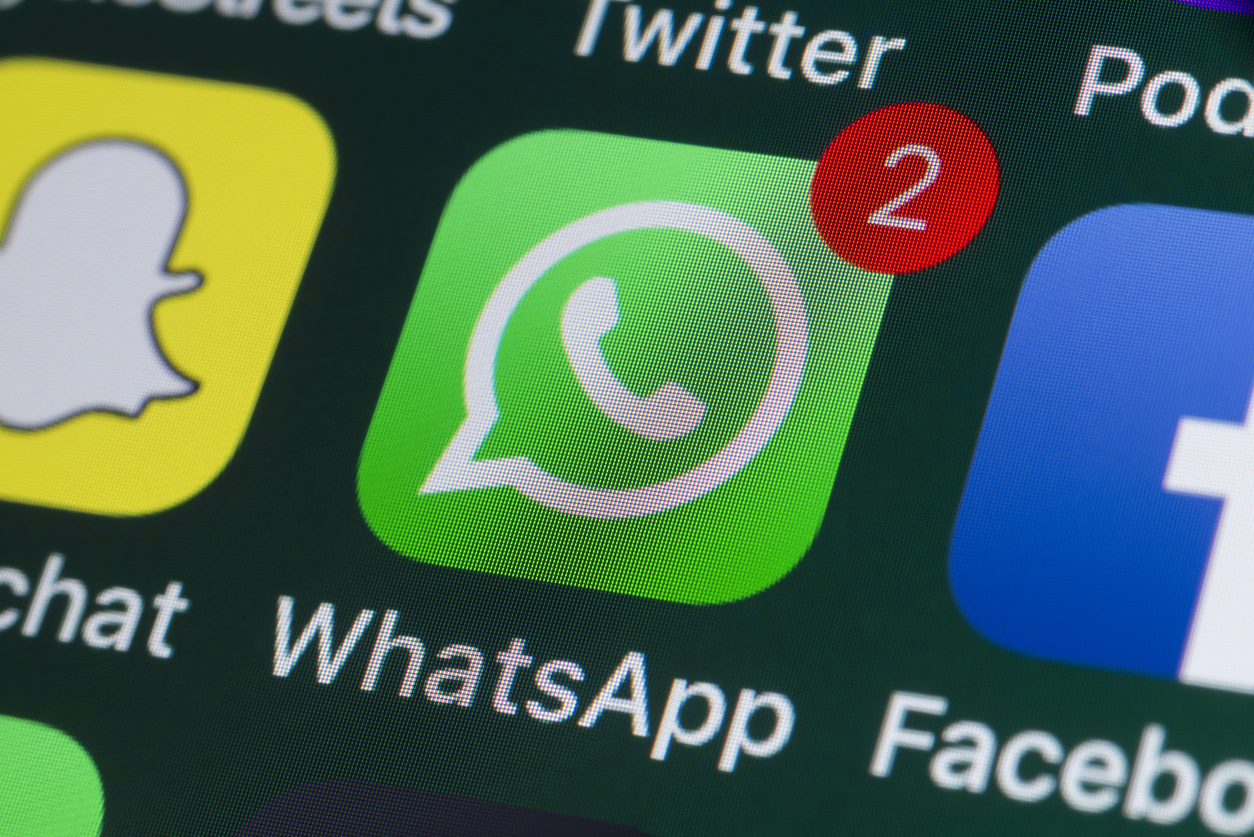
Omni-Channel is an approach used to communicate with customers using a variety of channels. This can include social (Facebook, Instagram, Twitter), Traditional (email and text messages), or digital (chatbots, embedded forms). This will allow you to be where your customers are and increase customer loyalty.
To learn more about the difference between Omni-Channel check out this blog post.
Personalization is a customer’s ability to personalize certain aspects of their purchase. In the digital world ensuring customers are able to customize their purchase can be incentive for a customer to finalize a purchase.
Customer Engagement is how customers interact with a brand, either virtually or in person.